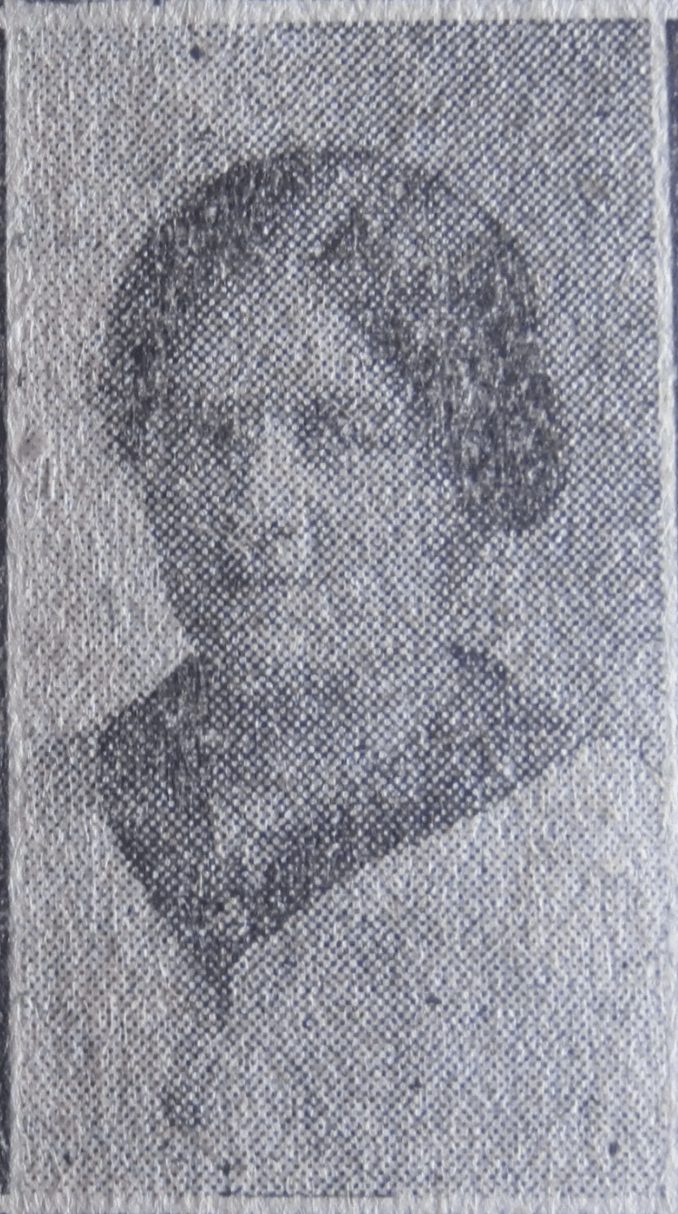
William and Emma Leonard (nee Dowd) married in October 1890, originally from Leeds, William worked as a coal miner and Emma would be kept busy at home (now in Batley) as the couple eventually had 9 children.
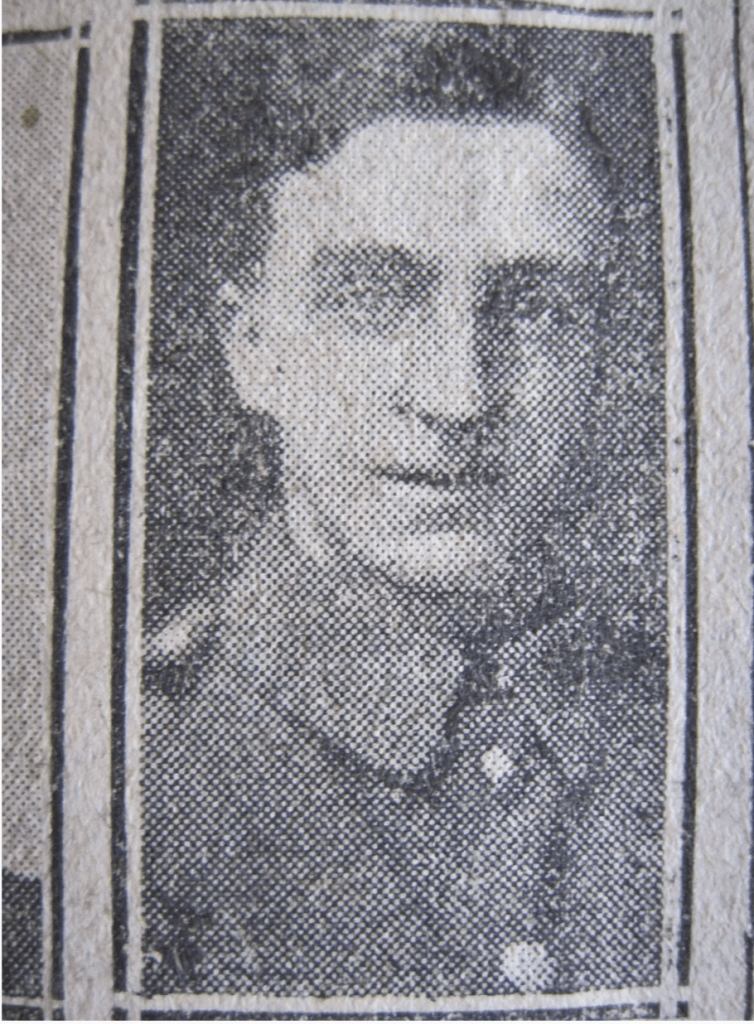
The oldest of William & Emma’s children was Ann, who was born in October of 1891. On the 1911 census, Ann was working as a cloth weaver in a woollen mill. Batley was famous for it cloth and woollen mills, so it is most likely she worked in one of the many mills on the doorstep of the family home. Ann had a brother, Edward, born in 1894. Edward worked as an office clerk in a wollen mill. Edward was a former pupil of Batley Grammar school and a talented artist, he enlisted as soon as was was declared in 1914. Another sibling who is part of this story is Walter, born 31 December 1897. William & Emma’s other children were Alice (1896), Agnes (1900), Doris (1902), Ethel (1904), Elsie (1906) and Nellie (1908).
In July 1916, the war in Europe was raging. The Somme alone was taking thousands of lives daily. Edward and Walter were both doing their duty in France, Edward with the 8th West Yorkshires and Walter with the 6th. Both would be experiencing the brutalities at the Somme, their work was clearly very dangerous and they were put at great risk. Older sister Ann also wanted to do her patriotic duty, with the Somme demanding an unprecedented amount of shells, Ann took on a job at Barnbow. This would be a much longer journey to work for her, but the pay was so much better than the paltry money she would be earning at a local wool factory. The money was excellent (several times that of her mill work) because the work was so dangerous. Making bombs would paid so much more than making wool, the salary alone would have attracted her to this work, along with patriotic duty. Working 48 hours a week over 6 days packing explosives into shells wasn’t without its risks.
Occupational hazards included severe yellowing of the skin and hair, anaemia, jaundice, liver damage and eventually death. Ann also lived with the constant risk of an accidental explosion. Great care was taken at the factory to reduce the risk of explosions, although several did occur. Women were required to drink copious amounts of milk to help flush toxins out of their system. All workers were regularly checked over by the factory’s own medical team. However, despite all precautions, sometimes the toxin would do it’s job and either cumulative long term exposure, or an accidental exposure (such as it seeping inside the uniform) would result in death. Ann had not worked at the factory long, when she was sent home sick on 25th July1916, her skin was yellow and her health deteriorating. Doctors were concerned and Ann sadly passed away surrounded by family on July 21st, 1916, aged just 24.
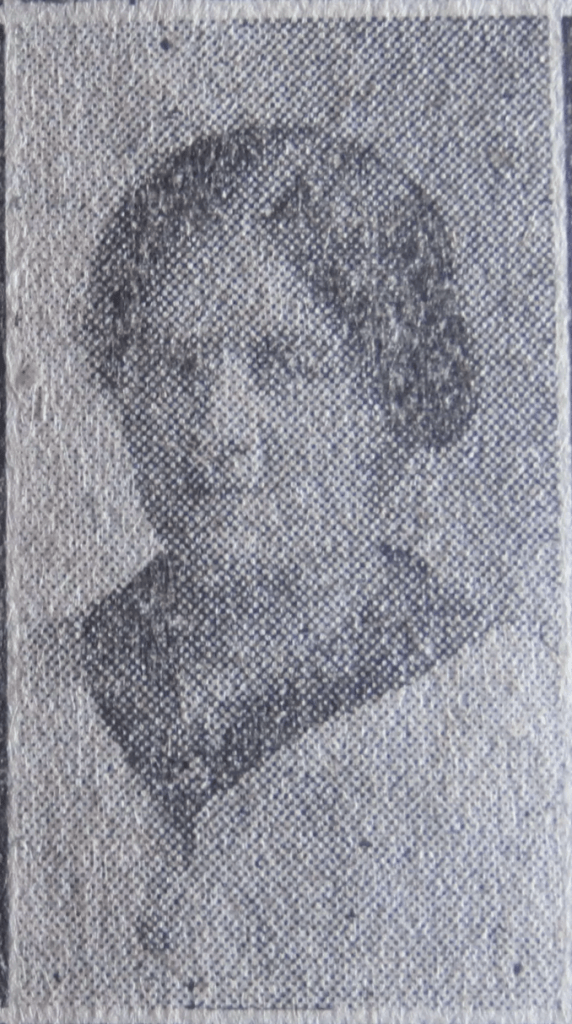
Whilst mourning their daughters death, a further tragedy would strike upon the Leonard family and their grief was to become even harder to bear. Just 24 hours after Ann’s passing, William and Emma would receive news that their son Edward,22, had not been seen since heavy fighting on 2nd July, 1916 at the Somme and he was now presumed dead.
Ann is laid to rest in a family plot in Batley Cemetery, which is on the same road where the family lived. Edward’s body was never found, he is remembered on the memorial to the missing at Thiepval. Ann was not entitled to a war grave, to be named on a monument or receive a medal for her work.
Walter Leonard received gun shot wounds in 1917, but survived the war and married, he died in 1974 in Lincoln.

 The Stories Behind the Stones
Leave a comment